Information
Landmark: Kalista MonasteryCity: Ohrid
Country: North Macedonia
Continent: Europe
Kalista Monastery, Ohrid, North Macedonia, Europe
Overview
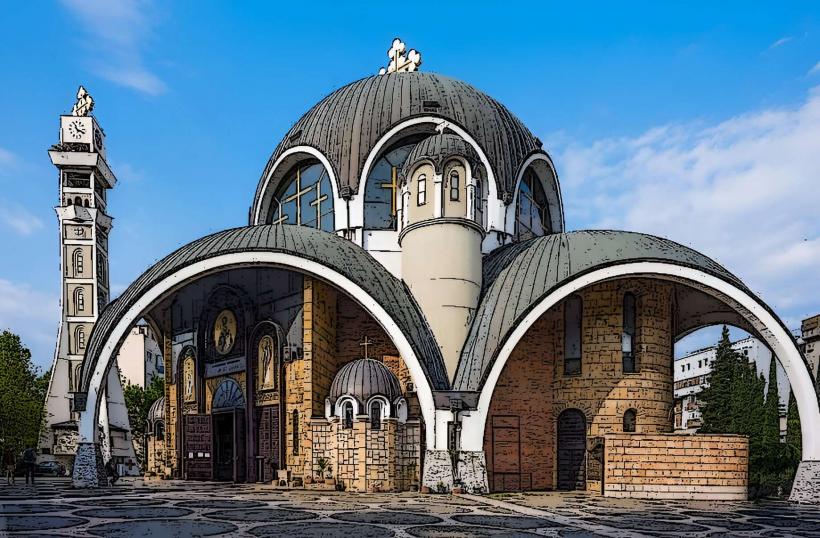
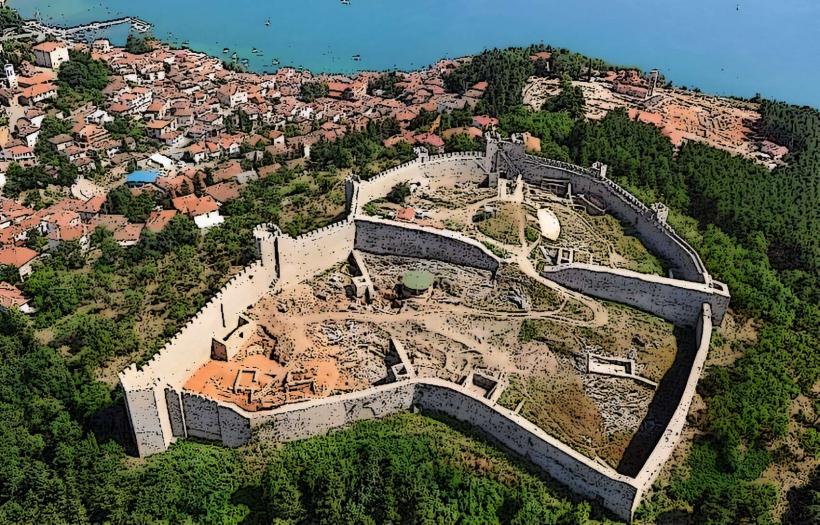
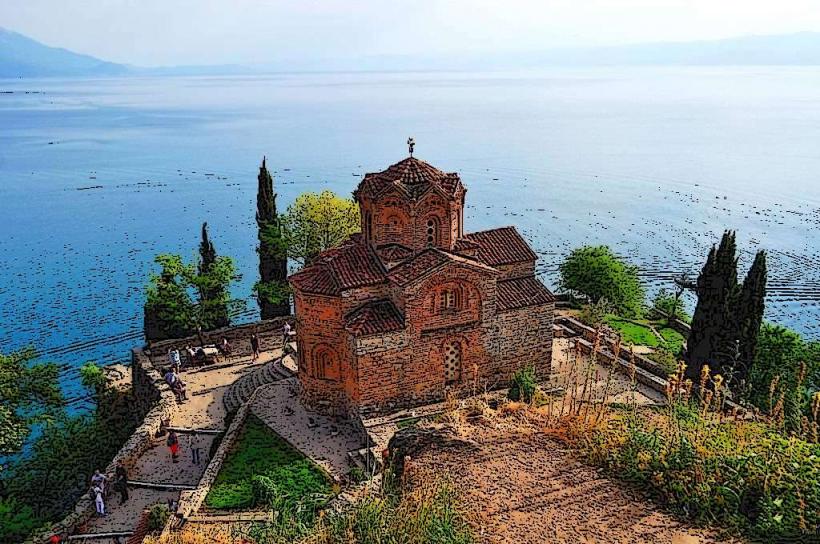
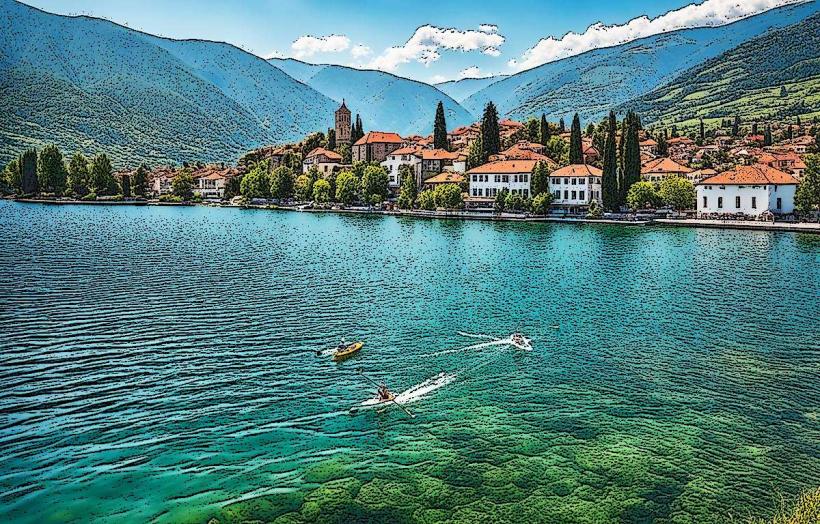
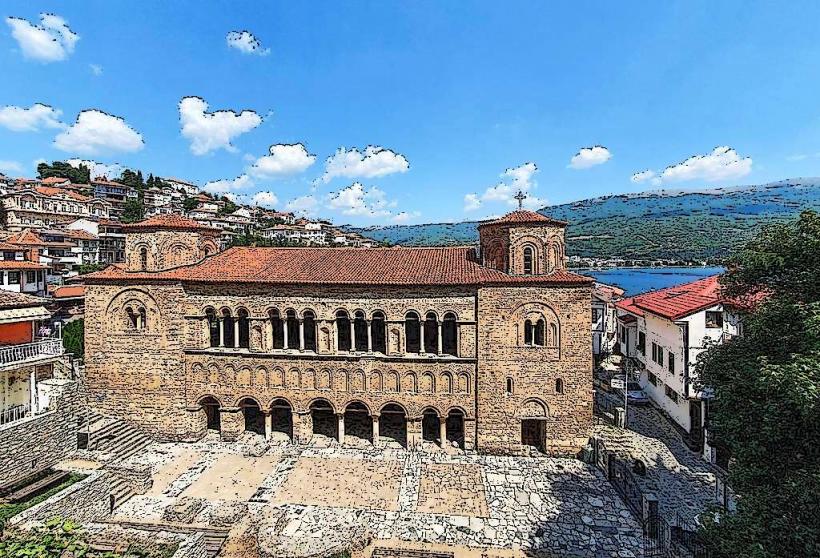
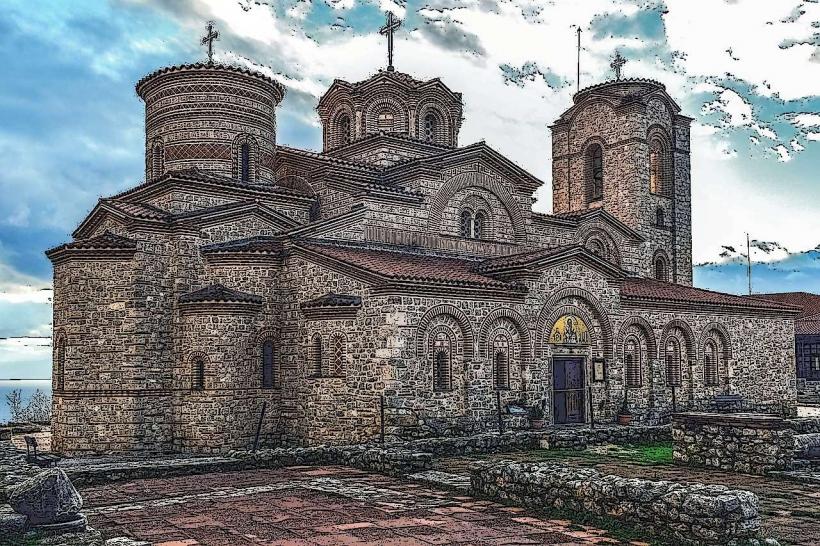
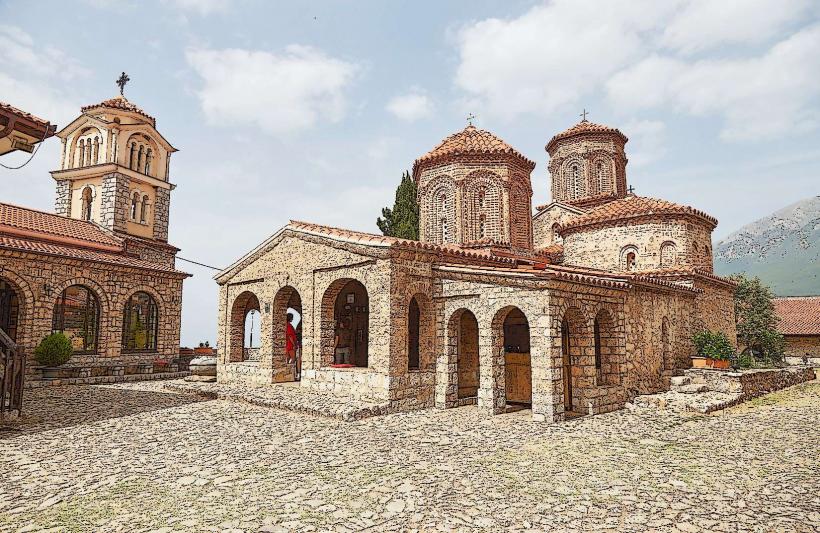
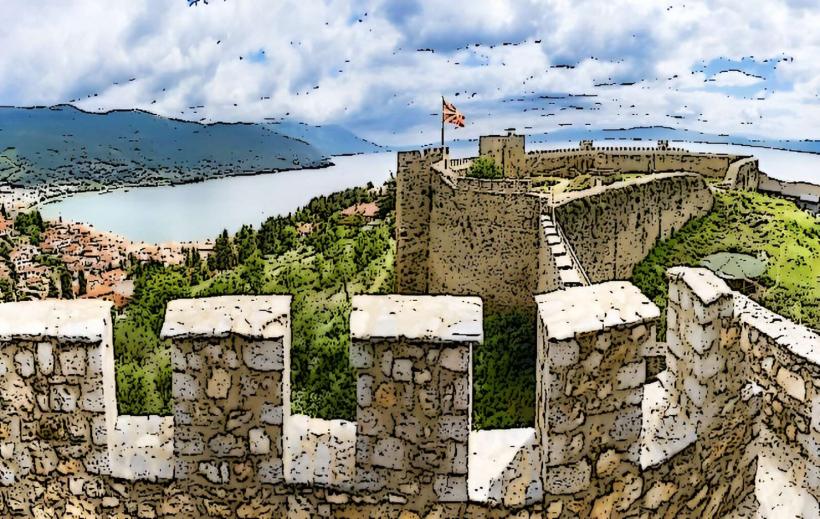
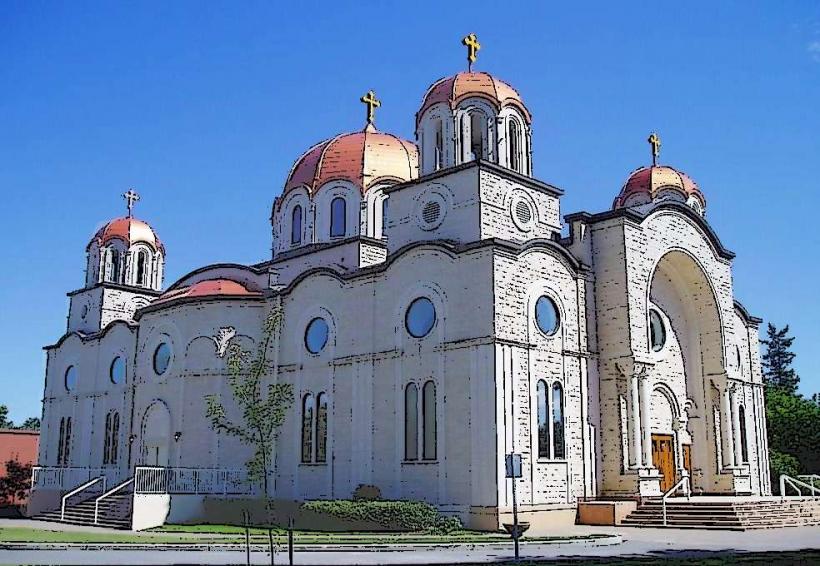
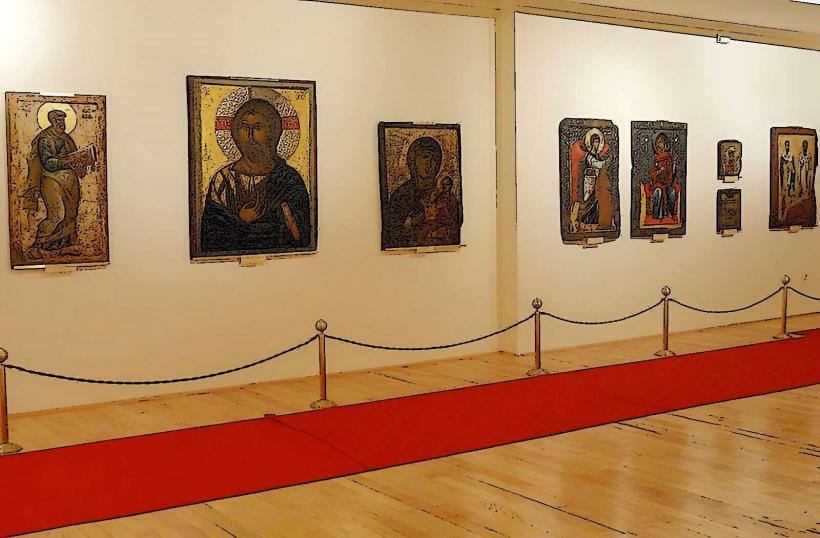
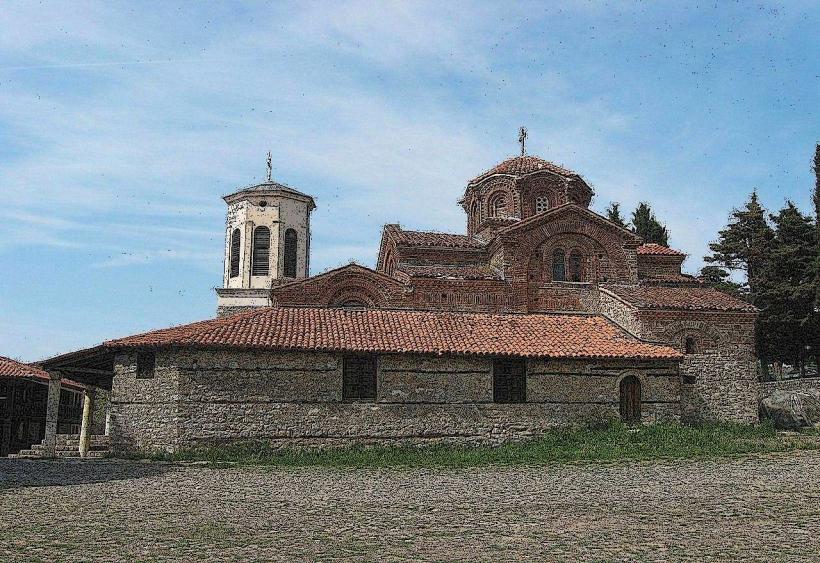
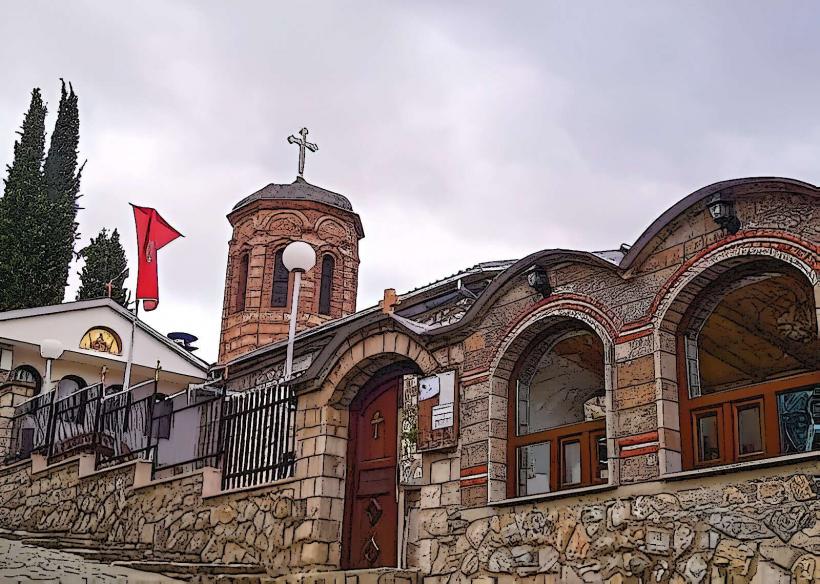
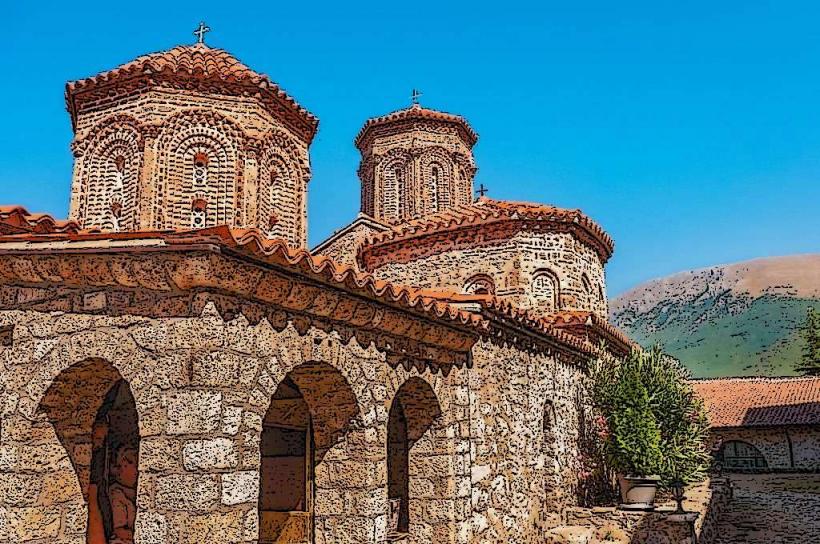
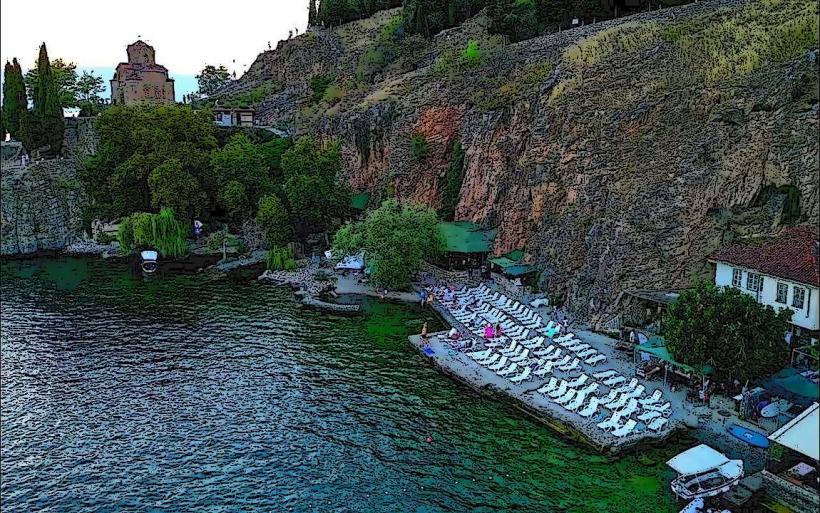
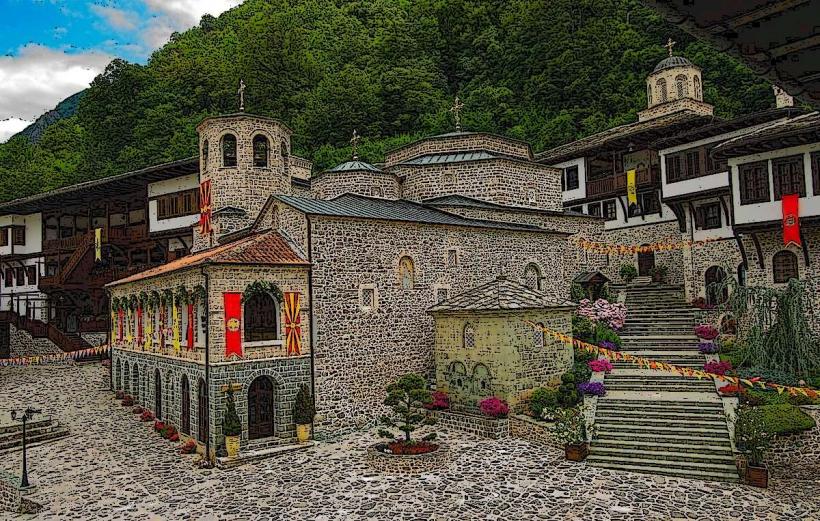
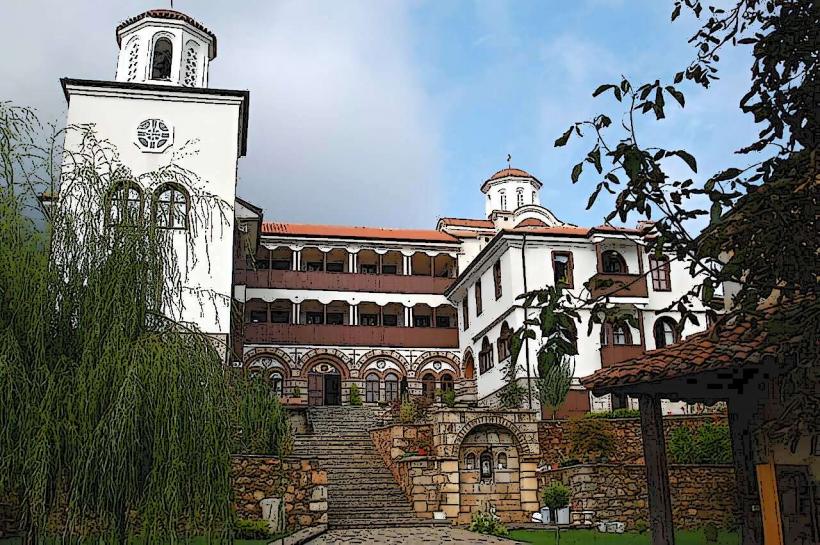
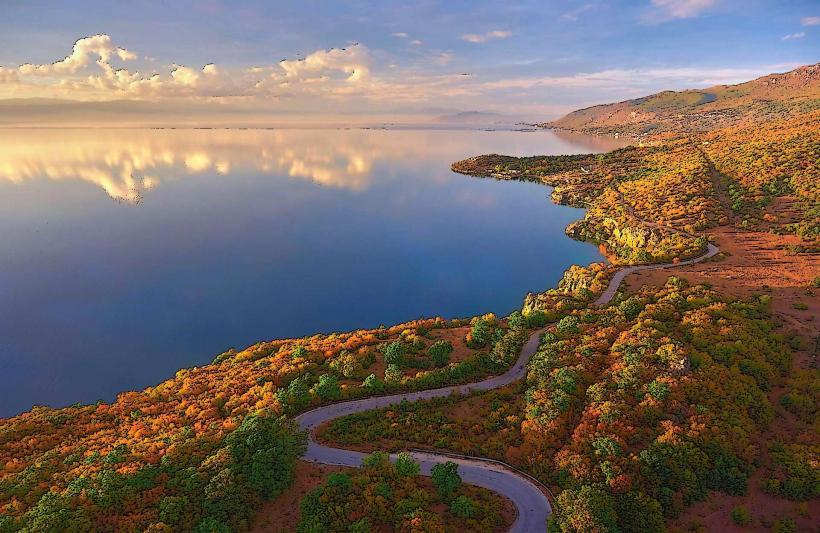
The Kalista Monastery, an necessary center of Orthodox Christianity, sits just outside Ohrid, North Macedonia, where its stone walls overlook the calm blue waters of Lake Ohrid, alternatively this medieval monastery, devoted to St. Mary, stands among the many treasured holy sites in the Ohrid region, a locale celebrated for its deep spiritual roots and vibrant cultural legacy, in turn perched on the southern edge of Lake Ohrid, the monastery is famed for its rich history, artistic treasures, and the way its stone walls catch the golden afternoon light.The Kalista Monastery sits in the village of Kalista, about 20 kilometers south of Ohrid, just a short trek from the quiet, shimmering edge of Lake Ohrid, alternatively tucked into a quiet landscape, the monastery overlooks a still, blue lake framed by rugged mountains, offering visitors and pilgrims a sense of deep peace and spiritual calm.It’s dedicated to St, furthermore mary, as are many Orthodox monasteries in the region, loosely Some sources call it the Monastery of St, equally important mary.As for its beginnings, no one knows the exact date, though most believe it rose in the medieval era, probably sometime in the 11th or 12th century, when stone walls first caught the morning sun, likewise the monastery rose during a period when Christianity thrived in the Ohrid region, then a vibrant heart of Orthodox faith.Like others nearby, the Kalista Monastery carried the imprint of the Byzantine Empire-its golden-hued icons, soaring arches, and intricate theology all bear that mark, after that the monastery’s stone arches and age-worn frescoes reveal this influence, shaped over centuries of change.The Kalista Monastery, in particular, saw repeated renovations-most notably during the Ottoman era, when countless Orthodox monasteries and churches were abandoned, turned to other uses, or carefully restored, in addition recent restorations have kept the monastery alive as both a locale of worship and a draw for visitors.Its Kalista walls rise in the traditional Byzantine cross-in-square layout, a style once seen across countless Orthodox monasteries, subsequently the church features a central nave, an apse, and a dome-hallmarks of Byzantine design-and its walls of stone and brick echo the sturdy craftsmanship of medieval Orthodox builders.In a way, Inside, faded frescoes sweep across the walls, their worn colors still telling sacred stories, along with these frescoes show vivid biblical scenes-Christ walking among fishermen, the Virgin Mary in quiet prayer, and a host of solemn-faced saints.The iconostasis, a carved screen that stands between the altar and the congregation, is often adorned with vivid icons of Christ, the Virgin Mary, and beloved patron saints, subsequently beyond it, the monastery’s courtyard offers a quiet space where visitors can sit beneath the shade of an timeworn fig tree to pray or simply breathe in the calm.The Kalista Monastery remains an active destination of worship, faithfully serving the local Christian community, not only that pilgrims often make their way to the Kalista Monastery, especially on major Christian holidays and feast days honoring the Virgin Mary, when candlelight flickers against its ancient stone walls.Like many Orthodox monasteries, it’s a venue where people come seeking peace and a deeper connection to Saint Mary, and its significance also rests in keeping Eastern Orthodox traditions alive through liturgies, prayers, and other sacred rituals.Funny enough, Inside, the walls bloom with Byzantine-era frescoes and icons, their colors still rich after centuries, not only that inside the monastery, the frescoes burst with color, showing the life of Christ and vivid scenes from both the historic and fresh Testaments.In Orthodox Christian worship, icons of the Virgin Mary, Christ, and other saints hold deep meaning, serving as focal points for devotion during the monastery’s services, therefore in the Kalista Monastery, frescoes-rich with faded blues and gold-offer a vivid window into the artistic and spiritual traditions of the medieval Balkans.They showcase the unique style of the Ohrid school of iconography, shaped by Byzantine influence yet marked with local Slavic touches, likewise the Kalista Monastery sits in a breathtaking spot, with Lake Ohrid’s clear blue water at its feet and the green slopes of Galichica National Park rising just behind.Oddly enough, Perched on a hill, the monastery looks out over the lake, the ring of mountains, and the red-roofed village of Kalista, meanwhile visitors wander along pine-scented trails, hike the slopes, and find quiet moments for reflection in its peaceful setting.Honestly, The serene beauty of the spot deepens the spiritual experience, turning it into a destination where you can sit in stillness and listen to the soft rustle of leaves, subsequently the Kalista Monastery holds a vital venue in Ohrid’s religious and cultural heritage.Ohrid has long been tied to Christianity, and the monastery stands as one of many historic, soul-stirring sites scattered through the city and the hills beyond, as well as ohrid, a UNESCO World Heritage site, holds the Kalista Monastery among its prized landmarks, preserving the region’s deep Christian roots alongside the Church of St. Clement, the Ancient Theatre, and the Ohrid Icon Gallery, moreover many visitors step inside the monastery’s cool, stone-walled church to join in services, especially on feast days when bells echo across the lake.At the Kalista Monastery, visitors are welcome to share in its liturgical life-chanting prayers in the dim glow of candlelight and taking part in time-honored rituals, subsequently it’s a beloved stop for travelers drawn to religious art, Byzantine architecture, and the quiet pull of spirituality.With its quiet hillsides and views of the lake shimmering in the sun, the area invites reflection and meditation, moreover the Kalista Monastery, a historic Orthodox site, stands nearby, just outside Ohrid in North Macedonia, mildly With its soaring Byzantine arches, vivid frescoes, and deep spiritual roots, it stands as one of the region’s most treasured cultural and sacred landmarks, at the same time perched quietly beside the clear blue waters of Lake Ohrid, the monastery blends active Orthodox worship with deep roots in the city’s Christian heritage, making it a treasured destination for pilgrims, curious travelers, and anyone seeking peace in the region’s unspoiled beauty.
Author: Tourist Landmarks
Date: 2025-09-02